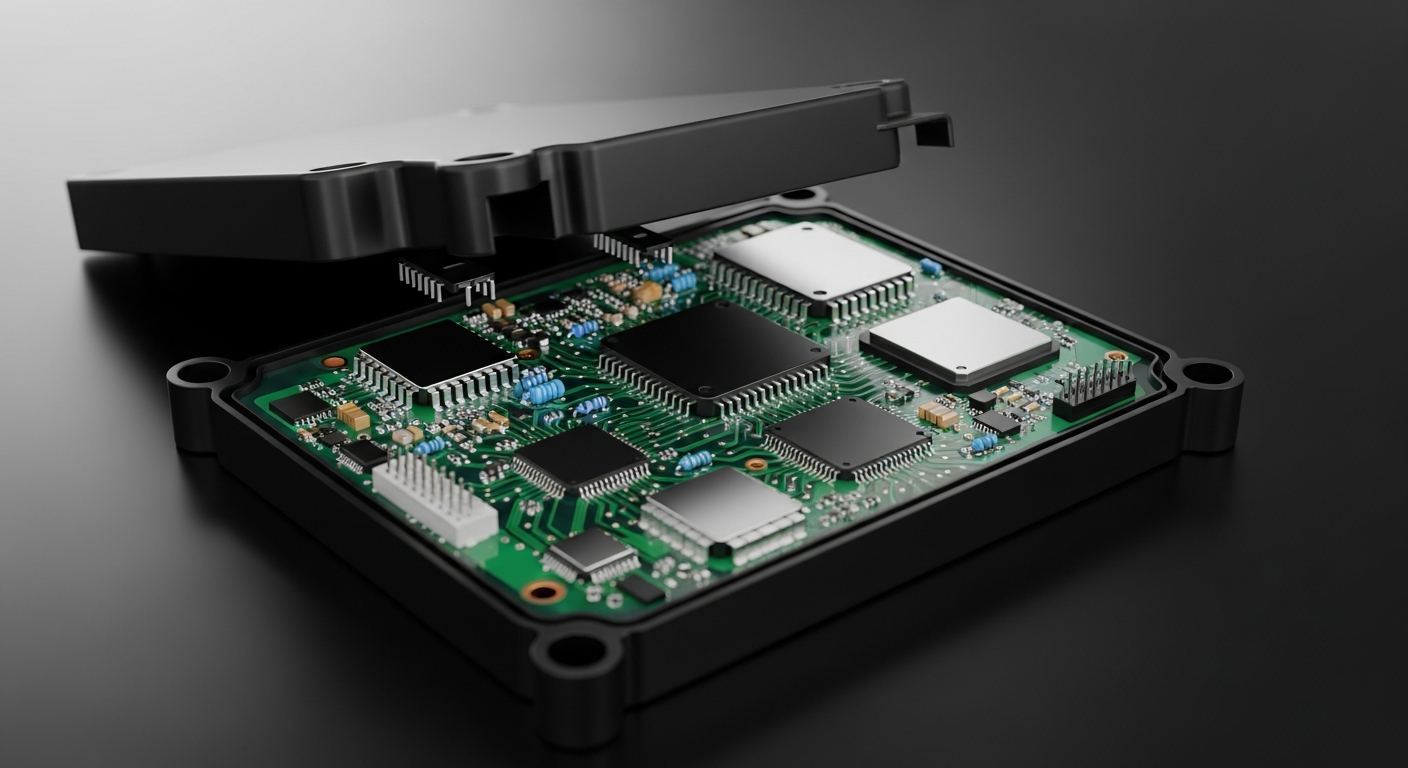
Modern cars rely heavily on their Engine Control Unit (ECU) to manage engine functions, fuel delivery, ignition timing, boost pressure, and more. By adjusting the ECU’s software parameters, tuners can unlock more horsepower, sharper throttle response and better fuel efficiency. In other words, ECU tuning modifying the engine’s control program can significantly change performance. Two common methods of ECU tuning are ECU flashing and ECU remapping, which both involve rewriting the ECU’s calibration. In this post we explain what each means, compare their pros and cons, and describe when to use them.
What is ECU Flashing?
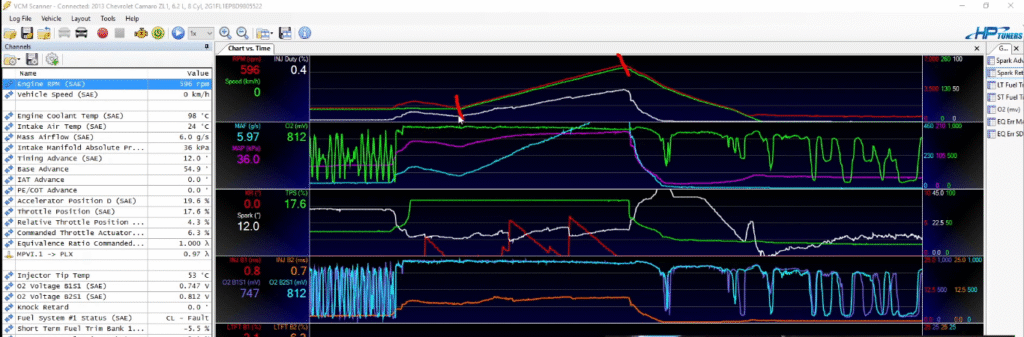
ECU flashing means uploading a new software image into the ECU’s flash memory. In practice, a technician connects a laptop or flasher tool (often via the vehicle’s OBD‑II port) to read out the stock ECU file, modify it, and then write the new file back. Montetuning defines an ECU flash as updating or modifying the software that controls your vehicle’s ECU to improve performance. Likewise, a tuning guide explains that ECU flashing is essentially the process of reprogramming or modifying a vehicle’s ECU it reads the existing data, adjusts parameters, and then writes the modified data back to the ECU. In effect, ECU flashing replaces the original ECU firmware and calibration tables with a new version.
Most ECU flashes today are done through the OBD port using specialized tuning hardware. For example, one shop notes that they use software tuning methods via the OBD port, supported by specialist ECU programming tools, for accurate ECU reflash sessions. The workflow is straightforward: the tuner reads the stock map into tuning software (such as WinOLS), makes changes to fuel, ignition, boost, etc., and then flashes the remapped file back into the ECU. (If an ECU is locked or inaccessible via OBD, the same idea applies via bench-mode or bootloader programming you still rewrite the ECU’s memory, just by opening the unit.)
In short, ECU flashing is simply the act of writing a new calibration to the ECU. It can use an off-the-shelf tune (for quick Stage 1 upgrades) or a custom file. When done correctly, flashing can optimize the engine’s fuel and ignition curves for more power or efficiency. However, because it replaces factory software, it carries risks (see below).
What is ECU Remapping?
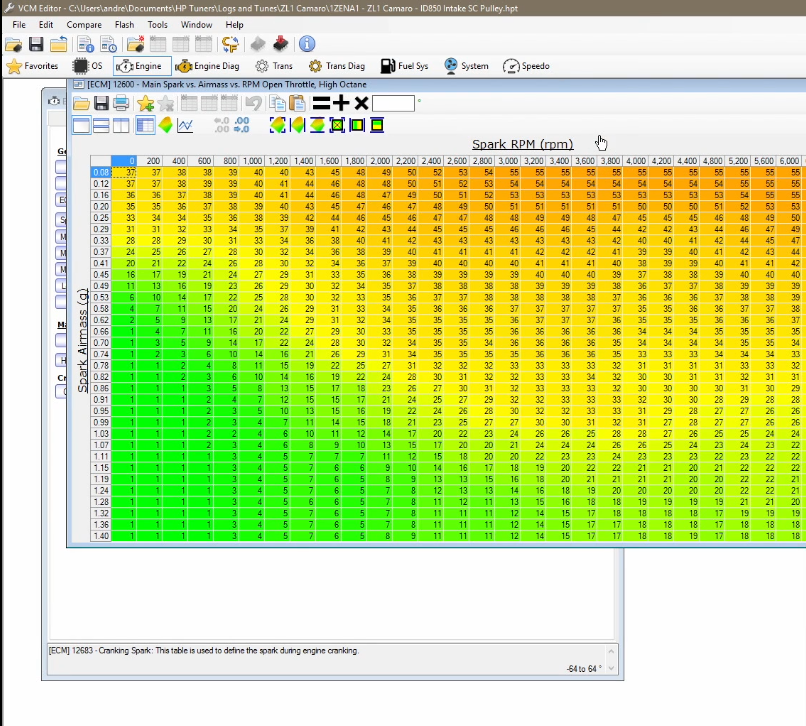
ECU remapping is the process of changing the calibration tables within the ECU’s software. Like ECU flashing, it involves extracting the ECU’s file, altering it, and writing it back but the term remap emphasizes how the maps are adjusted. For example, Regal Autosport defines an ECU remap as modifying your vehicle engine’s factory software by overwriting the original file with a revised version. Montetuning similarly explains that tuning involves reprogramming or remapping the ECU to optimize engine performance, fuel efficiency, and overall drivability.
In practice, remapping usually focuses on specific engine maps (fuel, timing, boost, etc.). The tuner will adjust these tables to suit the engine and any hardware changes (for instance, increasing turbo boost maps after a turbo upgrade, or leaning out fuel maps on high octane fuel). The modified file is then loaded back into the ECU. Essentially, remapping is just a fine-tuned form of flashing: it still replaces the ECU’s data, but with custom edits rather than a generic overwrite.
(It’s worth noting that the term chip tuning is closely related. This historically meant installing a modified physical chip or piggyback module, but it ultimately achieves the same goal of changing the ECU’s maps. As Regal notes, chip tuning a hardware approach performs the same task as ECU reprogramming by modifying your vehicle’s map file. The difference is that chips often work by tricking a sensor or adding an external module, whereas a remap writes directly to the ECU’s own memory.)
Key Differences Between ECU Flashing and Remapping
- Method vs. Customization: In many cases the steps are identical (read-modify-write), so flashing and remapping can overlap. However, flashing often implies a quick reprogram (sometimes using a pre-made map), whereas remapping suggests a more detailed calibration process. Montetuning observes that an ECU reflash offers a fast solution for power gains, whereas a full engine remap allows more comprehensive customization of all engine parameters.
- Speed vs. Depth: A simple flash tune can be done in minutes (install software, load a map, done). A full remap (especially custom dyno tuning) takes longer but yields a more precise result. For example, Regal Autosport explains that using a pre written remap file is faster and convenient for mild upgrades, but a custom ECU tune takes more time and expertise and provides tailored control.
- Tools & Access: Both usually use OBD flash tools (KESS, Alientech, etc.), but remapping might require advanced software to edit maps. If an ECU is locked, flashing might need bench-mode tools (K‑TAG, MPPS, etc.) or even opening the unit. In either case the goal is the same access the ECU’s flash memory. (Schiller Tuning explains that OBD tuning is fast and convenient with no ECU removal, while bench/boot modes give deeper access when needed.)
- Use with Modifications: A key practical difference is when each is used. ECU Flashing (especially a standard Stage 1 flash) works well on a stock or lightly modified car. But for major hardware changes you usually need a custom remap. Regal notes that if a car has a new turbo, exhaust or cams, an ECU tune gives the customised options needed to optimize those mods; in contrast, a simple remap using a stock-based file might not account for all the changes and could risk poor fueling or extra stress.
- Chip/Piggyback Tuning: As mentioned, chip tuning is essentially another form of ECU flash. A plug-in chip typically tricks one sensor (like the boost sensor) to get more fuel from the stock ECU. In contrast, a proper remap writes a direct instruction to the ECU’s maps. For example, plugandplaychip.com explains that chips merely fool the ECU by intercepting a sensor signal, whereas remapping lets the software directly communicate with the engine and make precise adjustments across many parameters. Generally, chips can offer an easy warranty-friendly fix (they’re removable), but a genuine remap is more thorough and reliable.
Each approach ultimately changes the ECU’s behavior, but remapping is usually the more comprehensive, finely tuned option, while flashing can be a quicker, simpler shortcut (especially if the goals and hardware remain basic).
Pros and Cons of ECU Flashing
- Increased Power and Torque: By optimizing fuel delivery, ignition timing and boost, flashing can unlock significant horsepower and torque gains.
- Better Efficiency and Response: A good flash tune improves throttle response and may improve fuel economy (for example by smoothing out fuel maps).
- Customization: You can remove factory speed or rev limiters, raise boost limits, or match the ECU to minor bolt-on mods.
- Convenience: If done via OBD, a flash tune is usually reversible (the original map can be reloaded). It often doesn’t require any engine disassembly.
- Warranty Void: Altering the ECU software typically voids the factory warranty. Manufacturers treat any software change as a deviation from spec.
- Component Stress: Aggressive tunes can stress the engine or drivetrain beyond safe limits. As with any tuning, there’s a risk of overheating or knocking if not done properly.
- Legal/Emission Issues: A tuned ECU may run outside emission specs (e.g. richer fuel mixtures). In some regions this can be illegal.
- Technical Complexity: A bad flash (wrong file or corrupted write) can brick the ECU. Proper flashing requires expertise and reliable tools.
In short, ECU flashing can deliver big performance gains when done correctly, but it must be done carefully.
Pros and Cons of ECU Remapping
- Similar Performance Gains: Remapping offers essentially the same benefits as flashing more horsepower and torque, better throttle behavior, and potentially better mileage because it is, at heart, the same process.
- Precise Tuning: A custom remap can be tailored exactly to your engine and setup. This usually yields smoother power delivery and can maintain reliability (for example, the tuner can ensure safe air–fuel ratios or add safety cuts).
- Optimization: Remapping can focus on specific goals: you might choose a “sport” map for more power or an eco map for fuel economy, depending on needs.
- Reversibility: Like flashing, remapping can be undone by reloading the original software, provided the tuner backed it up.
- Same Warranty/Legal Risks: Any ECU software change shares the same downsides: voiding warranty and potential legal issues.
- Cost and Time: A full remap (especially on a dyno) is more expensive and time-consuming than a simple flash file.
- Expertise Required: Custom remapping requires skill and proper tools. A poorly executed remap can cause engine misbehavior.
Overall, remapping’s pros and cons mirror flashing’s the difference is mainly in the level of tuning detail. Both can be very effective, but always involve trade offs in warranty and complexity.
Use Cases: When to Flash vs. Remap
- Stage 1 / Stock Vehicle: If your car is stock or only has mild bolt-ons, a standard ECU flash/remap is usually the fastest and most effective upgrade. This uses a general tuning file matched to your engine. Regal Autosport explains that remapping with pre-written files (Stage 1) is ideal for plug-and-play upgrades on otherwise stock cars.
- Stage 2+ / Heavily Modified: If you’ve made major hardware changes (turbochargers, superchargers, camshafts, intake manifolds, bigger injectors, etc.), you need a fully customized tune. A generic flash won’t account for the new parts. Regal warns that a stock-based remap might not reflect the complete range of hardware changes and could cause fueling issues or ECU strain. In these cases, you should go to a tuner who can flash and then dynomcalibrate your ECU specifically to your setup.
- Locked or Special ECUs: Some modern ECUs cannot be reprogrammed normally (due to security locks). In those situations, “chipping” or bench programming may be the only option. Plug-and-playchip.com notes that if remapping isn’t possible, a dedicated performance chip might be the only viable method to boost performance.
- Warranty Considerations: If you need to keep the vehicle under factory warranty, you might choose a tune that’s easy to revert. Plug-in chips have the advantage that they can often be removed before a dealer visit. By contrast, software remaps (flashes) may leave evidence in the ECU. (Some manufacturers can detect remaps, although this varies by model and tools.)
- Practical Examples: For a simple tune on a stock car, an OBD flash is quick. If you’ve installed a big turbo, you’d flash a custom map on a dyno. If your ECU won’t flash normally, a chip or module might be used. In all cases, the goal is the same: run safe, optimized software.
Professional Approach to ECU Modification
Whether flashing or remapping, the tuning process should be treated as precise engineering. A reputable tuner will first back up the original ECU data, then apply the new calibration, usually with step by step testing. It’s crucial to log engine data (air–fuel ratios, knock, etc.) during tuning. As one tuning guide advises, every engine is unique and should be custom-tuned on a dyno to avoid being over-tuned or under-tuned.
This detailed process is often called engine calibration or engine mapping, reflecting the careful adjustment of dozens of parameters. In fact, industry experts note that terms like engine mapping or engine calibration are used interchangeably with ECU remapping when discussing professional tuning. The takeaway is that tuning is not a blind file swap: it’s a calibrated workflow.
Finally, always remember the non-technical factors. Any ECU modification can affect warranty and emissions compliance, so be aware of local laws. Use quality tools and follow best practices: e.g., measure before/after performance, and keep the car mechanically sound. With a professional approach thorough diagnostics, careful tuning, and proper testing both ECU flashing and remapping can safely unleash the engine’s potential.
In summary: ECU flashing and ECU remapping ultimately achieve the same objective: rewriting the engine’s control software for improved performance. Flashing typically refers to the act of writing new software to the ECU (often using a pre-made tune for speed), while remapping emphasizes the tailored adjustment of the engine’s calibration maps. For lightly modified or stock vehicles, a simple flash/remap can give quick gains; for heavily modified engines, a full custom tuning session is best. No matter which route is chosen, professional tuning means testing and tuning the engine calibration carefully to balance power, reliability and efficiency.
Still unsure whether flashing or remapping is right for your ECU?
Let us help. At ReverseEngineer.net, we offer ECU consulting, custom tuning files, and reverse engineering services tailored to your platform.
Reach out to discuss your setup, we’ll guide you to the safest and most effective solution.
Let's Work Together
Need Professional Assistance with Reverse Engineering or Cybersecurity Solutions? Our Team is Ready To Help You Tackle Complex Technical Challenges.